
Language: A surprisingly unreliable form of communication
There are more direct ways of knowing

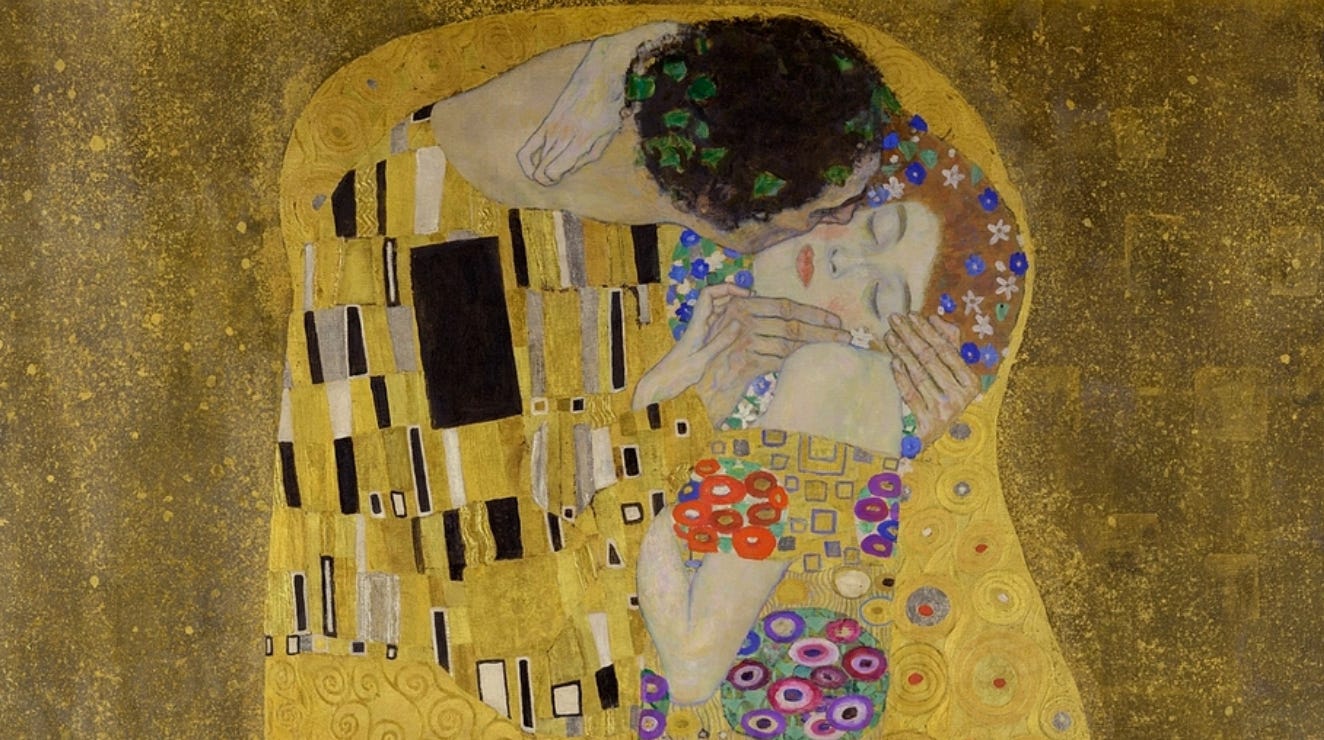
Language is a surprisingly unreliable form of communication.
That probably seems like a strange thing for a writer to say. After all, writers love words. We love the shapes and sounds of words. We love the etymology of a word. And we love using words to express ourselves — to communicate and share, to comfort and influence, to teach and connect.
But words — for all their magic — are easy to twist and manipulate. Words can trip us up and tangle our thoughts. Words force us to wrench our ideas out of the ether and nail them down in a strictly linear pattern. They demand structure and hierarchy and order. With practice and skill (and the best intentions) we can — even within such black-and-white constraints — use words to create beautiful worlds and enchanting stories. We can touch a reader’s mind and heart. We can establish an understanding.
And yet …
Sometimes the most powerful forms of communication and connection have nothing to do with words.
Last week, I wrote about hand feeding wild birds. We do understand each other’s language, the birds and I, but we were somehow still able to have a kind of conversation.
I stretched out my hand, which was a way of saying, “Here, I brought you these nuts and seeds.”
And they flew down to my fingertips, which was a way of saying, “Thank you. I trust you.”
There were no words exchanged, and yet I felt a powerful connection. We understood each other.

I carry on a similar conversation with several murders of crows that live around my home. I am fairly certain they do not understand English, but they hear the tone of my voice and have learned that when I call out to them, peanuts will follow. In turn, I have learned to pay attention when they make various sounds from their lofty perches. We may not share a language, but I know perfectly well that a quiet crooning or raucous caw from overhead says, “Hello. Didn’t you see me up here? Peanuts please.”
Even in our human-to-human interactions, we communicate without language all the time.
There is body language, of course, and also facial expressions. Sometimes we accidentally communicate things with our faces that we meant to keep to ourselves.
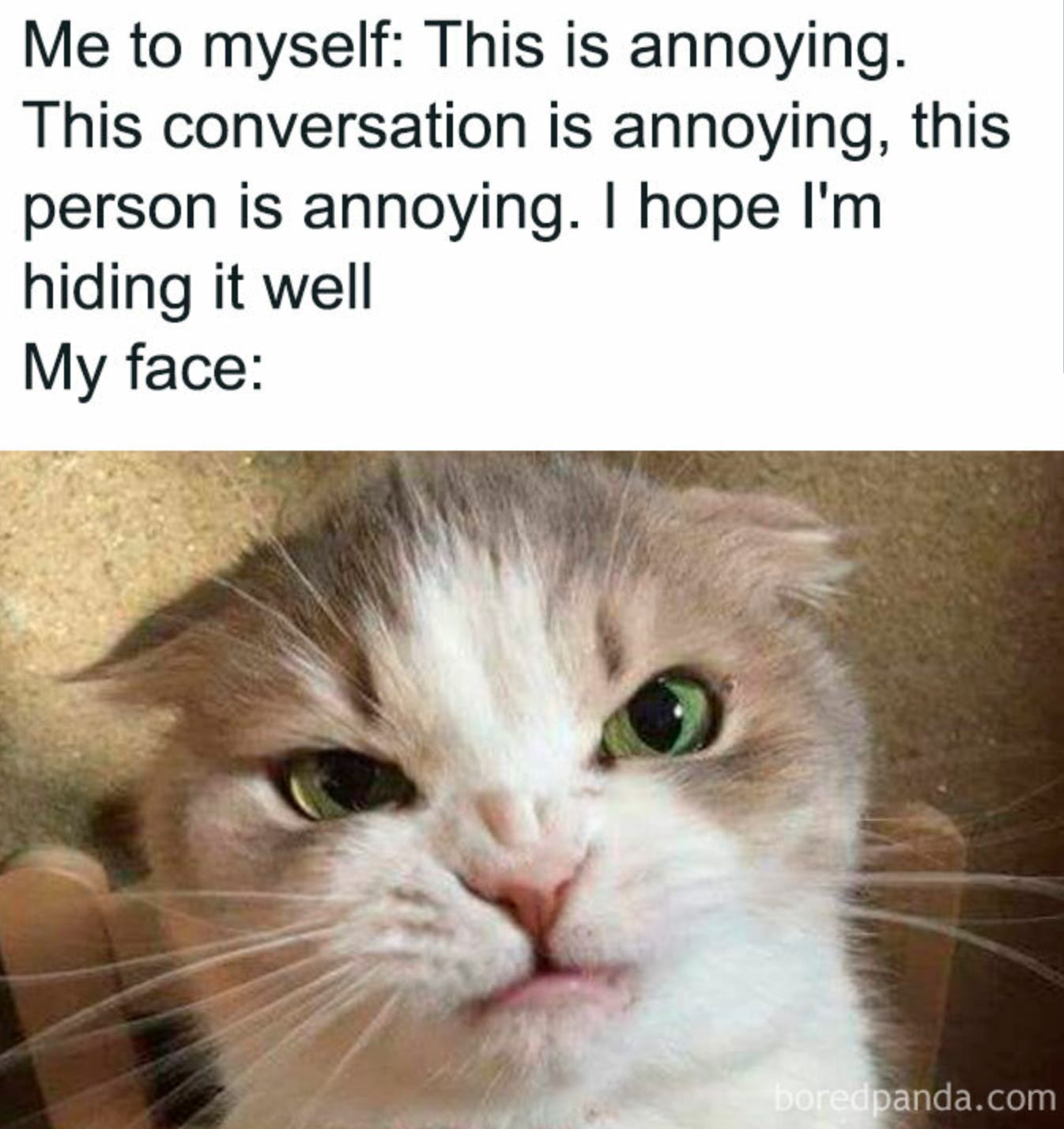
There is also straight-up energy — vibes, if you will — that can give us either a comforting sense of “rightness” or an unsettling sense of danger.
But more often than not, we tune out these nonlinguistic messages. We rely too heavily on words to reveal the truth. But truth be told, words are often terrible liars.
In addition to contextual clues and vibes, we humans also have art.
We have music and dance and sculpture and paint and every other mode of creative expression. Art is often a much more efficient and effective way of getting to the heart of a matter. It bypasses logic and goes straight for the metaphorical jugular of emotion. Art short circuits our knee-jerk reaction to start formulating a verbal response before we’ve even processed anything. Really good art renders us speechless, at least for a little while.
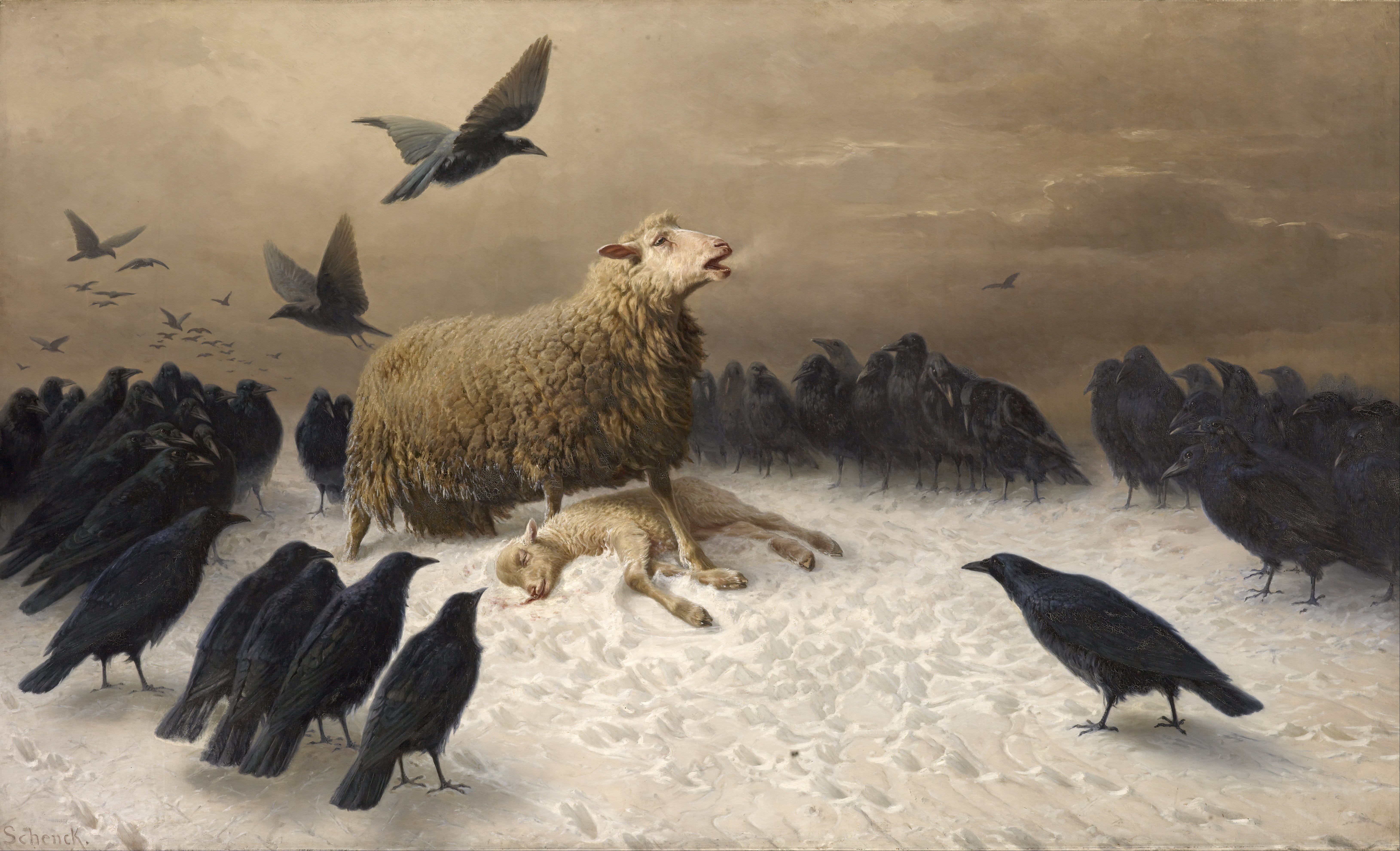
Art — whether a painting or a photograph or a piece of music — is like a Vulcan mind meld. It connects on a more visceral level than words. Maybe it taps into a more ancient, more honest way of communicating.
Humans also have the ability to communicate through shared experience.
Even if we don’t share a spoken language, we can still connect through the languages of joy, humor, and love.
Two mothers in the grocery checkout line do not need to speak the same language to offer support and commiseration when their eyes meet in silent acknowledgement over the head of a mid-tantrum toddler. Two children from different countries will find a way to play together even if neither of them can understand a word the other says. And a puppy falling head first into a giant bowl of kibble is funny in any language.
🖤
There was a lot made of the fact that Bad Bunny’s Super Bowl half-time show was performed almost entirely in Spanish. But I would argue that the lack of a common language didn’t hinder Benito Antonio Martínez Ocasio’s ability to connect with his audience one bit. In some ways, taking language out of the equation may have given us non-Spanish-speaking viewers the opportunity to experience his message on a deeper level.
While I was very interested to learn about the history and symbolism woven throughout Benito’s performance, even without that context I would have come away feeling a sense of love, pride, unity, and fierce joy. I did not need words — English or otherwise — to understand the passion on display. The music and movement and expressions spoke loud and clear about family, community, endurance, and a desire for a different kind of world — a kinder, more inclusive, more equitable one.
And there was joy — so much joy. I did not understand a word that was sung, but I didn’t need to. I understood what he was saying.
As a writer, words are my default way of engaging with the world, but sometimes I think they just get in the way. Sometimes a look, a touch, or a symphony can say so much more. Sometimes the expression on the face of someone I love or the way my cat, Cinder, nestles her tiny body against mine speaks of feelings I could never hope to convey with mere words.
I will never give up my love of language, but neither will I overlook the many other ways we can connect with and understand each other.

I LOVE this so much. Jamie, you have such a fine contemplative and philosophical view of the world and human dynamics (and crow and wild bird dynamics!). I just love reading you. I learn to see things I'd not considered. This: "Sometimes we accidentally communicate things with our faces that we meant to keep to ourselves." And I did spend some of my teen years as a mime and clown. I got to learn early that one can communicate so much without the spoken or written word. And that should be a tip that we don't need borders to define us. Language, country, race. None of that should matter. Because all truth contains heart. And when we can see each other's hearts that's the essence of life. xo
Thank you for this, Jamie. I feel exactly the same. My favorite is that you shared the painting Anguish. I have never seen it before but it spoke to me.